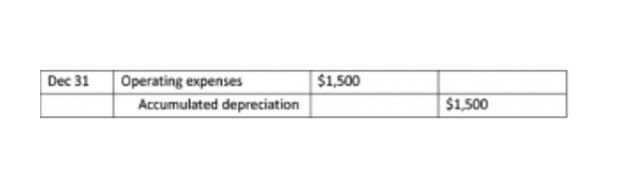
AP typically carries the largest balances because they encompass day-to-day operations. AP can include services, raw materials, office supplies, or any other categories of products and services where no promissory note is issued. Most companies don’t pay for goods and services as they’re acquired, AP is equivalent to payroll a stack of bills waiting to be paid.
Difference Between Assets and Liabilities
Liabilities are reported on a company’s balance sheet and determine its financial health. A liability is a financial obligation or debt that a company owes to an external party, which must be settled at a future date. These obligations arise from past transactions or events, such as receiving goods from a supplier on credit or taking out a bank loan. Unlike an expense, which represents a cost already used, a liability represents a future responsibility to pay money or provide services. There will be a decline in cash assets if a company pays the expense item in cash, or inventory declines if some inventory is written off.

Where Can I Get Services That Handle These Responsibilities?
Secondly, provisions are based on estimates and judgments, as they https://escuelamdsguanaqueros.cl/quick-guide-to-allowance-for-doubtful-accounts-and/ involve predicting future events or outcomes. Where accounts payable always represents an exact amount, accrued expenses are more of a guesstimate. When the invoice is finally received, the amount can be adjusted in the books to reflect 100% accuracy. By contrast, if a company receives a $200 invoice for operating expenses, it records a $200 credit in the accounts payable field of the ledger.
Examples in Real-Life Scenarios
Expenses are recognized in the period they are incurred to generate revenue, regardless of when cash is exchanged. There are also non-current (long-term) liabilities on the balance sheet. These are obligations that have a repayment period longer than one year. They may also be referred to as debts, representing what a company owes at any given time to lenders, tax agencies, suppliers, employees, and others.
- Accrued expenses are recorded as part of the month-end close process, after the accounts payable have been closed.
- Business owners and managers use this information to budget effectively, manage cash flow, and set pricing strategies.
- These can be tangible, like buildings or machinery, or intangible, such as patents and copyrights.
- Assets can be defined as objects or entities, both tangible and intangible, that the company owns that have economic value to the business.
- It’s important for companies to keep track of all liabilities, even the short-term ones, so they can accurately determine how to pay them back.
- Managing expenses involves prioritizing spending, classifying costs correctly, and adopting effective financial strategies.
- Expenses, in contrast, are costs incurred during the current period to generate revenue, reflecting the consumption of resources.
- Others, like prepaid expenses or marketable securities, can be used quickly for business needs.
- Intangible items like intellectual property may add another $50,000 to the tally.
- A retailer has a sales tax liability on their books when they collect sales tax from a customer until they remit those funds to the county, city, or state.
Assets are what a company owns or something that’s owed to the company. They include tangible items such as buildings, machinery, and equipment as well as intangibles such as accounts receivable, interest owed, patents, or intellectual property. Expenses are typically recurring payments that are necessary to run a business. Liabilities are measured at their fair value, which is the amount required to settle the obligation.
Preparing for Loans and Investments
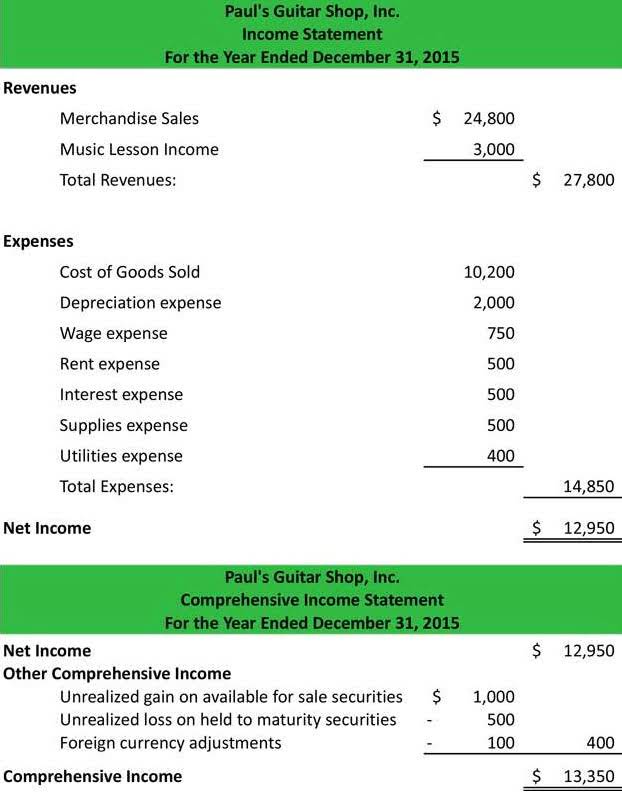
Then, because it’s a loan which you must repay, you would record the loan as a credit to increase the balance of the liabilities account. Each instalment of loan repayment debits the liabilities account to show the liability on the loan decreasing. Liabilities are recorded as a debit to an asset or expense account, depending on the nature of the transaction, and a credit to the applicable liability account. When the liability gets eventually settled, the liability account will be debited and the cash account credited from which the payment took place.
- Use this formula to better understand your financial health and track money owed.
- Conversely, some expenditures initially create an asset that later becomes an expense.
- Payables should represent the exact amount of the total owed from all the invoices received.
- It might signal weak financial stability if a company has had more expenses than revenues for the last three years because it’s been losing money for those years.
- Interest expenses, taxes, and losses from the sale of assets are common examples.
- But what are assets and liabilities and what sets them apart?
- Expenses are reported on the income statement, a financial document that summarizes a company’s financial performance over a period, such as a quarter or a year.
The next step would be to make the actual payment to the vendor, which would then clear the accounts payable balance. Liabilities are obligations to other parties, such as payable to suppliers, loans from banks, bonds issued, etc. They are also classified into current (short-term) and non-current (long-term) liabilities.
- Both terms are commonly used in financial statements, but they represent different aspects of a company’s financial obligations.
- Accounts payable, mortgages and debentures, loans, and accrued expenses are all examples of liability.
- Proper expense recognition is also important for tax implications, as eligible business expenses can reduce taxable income.
- The accrued expenses from the employee services in December will have to go on the following year and reporting period.
- Accrued expenses are those that have been incurred but not paid yet.
- If you’ve promised to pay someone in the future, and haven’t paid them yet, that’s a liability.
- Remember, debts (maturing within 1 year or less) will also come under current liabilities.
This account indicates the company owes employees money that remains unpaid. Companies will remove this liability in the subsequent month when it issues payroll checks. Liabilities represent what you owe to others, whether as a financial obligation due to borrowing or as a legal commitment. These obligations, crucial for both individuals and businesses, are fundamental to understanding financial health and are recorded on the balance sheet alongside assets.

Monthly Financial Reporting Template for CFOs

An expense not paid off by the due date is considered a liability. Expenses are recognized when they are incurred, regardless of when cash is actually paid, following the accrual basis of accounting. This “matching principle” ensures that expenses are reported in the same period as the revenues they helped to generate. For instance, monthly rent is an expense for the month it covers, even if paid at a different time. Liabilities represent what a business owes to outside parties, signifying future economic sacrifices arising from past transactions or events. These obligations are legally enforceable claims against an entity’s assets.
This can provide the necessary information behind how much liquid funds they could produce in the event that those assets had to be sold. Because contingent liabilities are recorded depending on future events, they look more like potential liabilities. If you do not have your taxes due in the next 12 months, they will be considered a long-term debt and be assigned to a deferred tax account. Although the loan is a 30-year loan, most principal difference between expense and liabilities and interest payments are due every 30 days. ‘The business is liable for any outstanding amounts it owes for goods or services it has received but has not yet paid for. Companies may pay for the goods and services later, even though a supplier might provide them now.